 Get Started
The Weekly Routine
One prep session. Several days of meals.
The weekly routine is the foundation of the entire program. This page explains how it works, what it covers, and why structure matters more than recipes when you're trying to cook consistently at home.
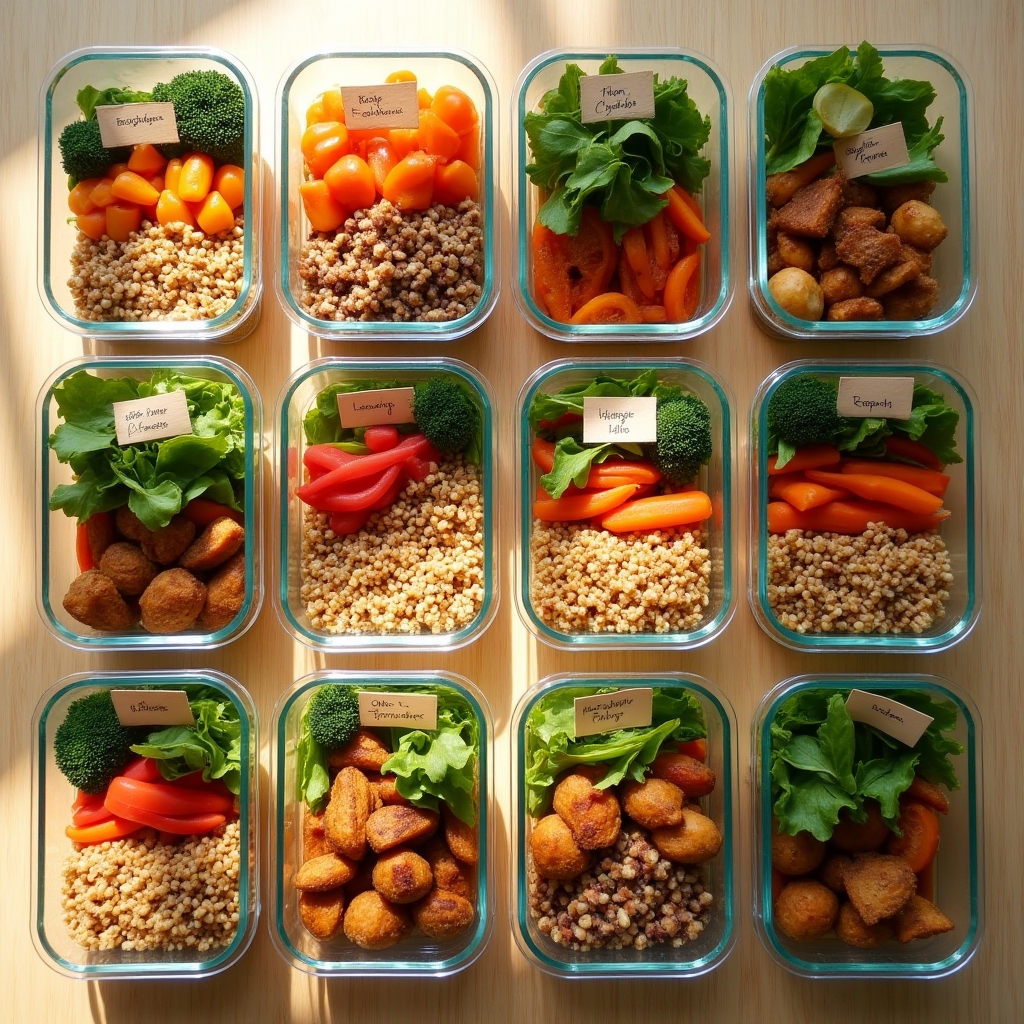
The Core Concept
Why a routine works where recipes don't
Recipes are instructions for a single meal. They don't tell you when to cook, how to organize your kitchen before you start, or how to make sure what you cook on Sunday is still good by Thursday. A routine does all of that.
The weekly prep routine is a repeating sequence. Same general structure each week. You shop from a framework rather than a recipe-specific list. You prep in a specific order that minimizes cleanup and maximizes efficiency. You portion and store in a way that makes weeknight meals take minutes rather than an hour.
The ingredients change week to week as your confidence grows. The sequence stays the same. That's what makes it a routine rather than just cooking.
The Sequence
The five phases of the weekly prep session
Each phase of the prep session has a specific purpose. Together, they form a sequence that's repeatable, efficient, and adaptable to different ingredients each week.
The Ingredient Approach
A manageable list that produces real variety
One of the most common reasons people give up on meal prep is the grocery list. Either it's too long and expensive, or it produces meals that all taste the same, or both. The program's ingredient framework is designed to solve both problems at once.
The framework uses a small number of versatile ingredients that can combine in multiple ways depending on how they're seasoned, paired, and presented. A grain that works as a side on Monday becomes the base of a bowl on Wednesday and part of a different assembly on Thursday.
Proteins
Two or three protein options per week, cooked in batch and stored as components for flexible use across multiple meals.
Grains and bases
One or two grain options cooked in larger quantities. Rice, farro, quinoa, or pasta — chosen based on your preferences and what pairs with the week's proteins.
Vegetables
A focused selection of vegetables prepped in multiple ways. Roasted, raw, and quickly sauteed preparations give you texture and flavor variety without buying more produce.
Aromatics and pantry
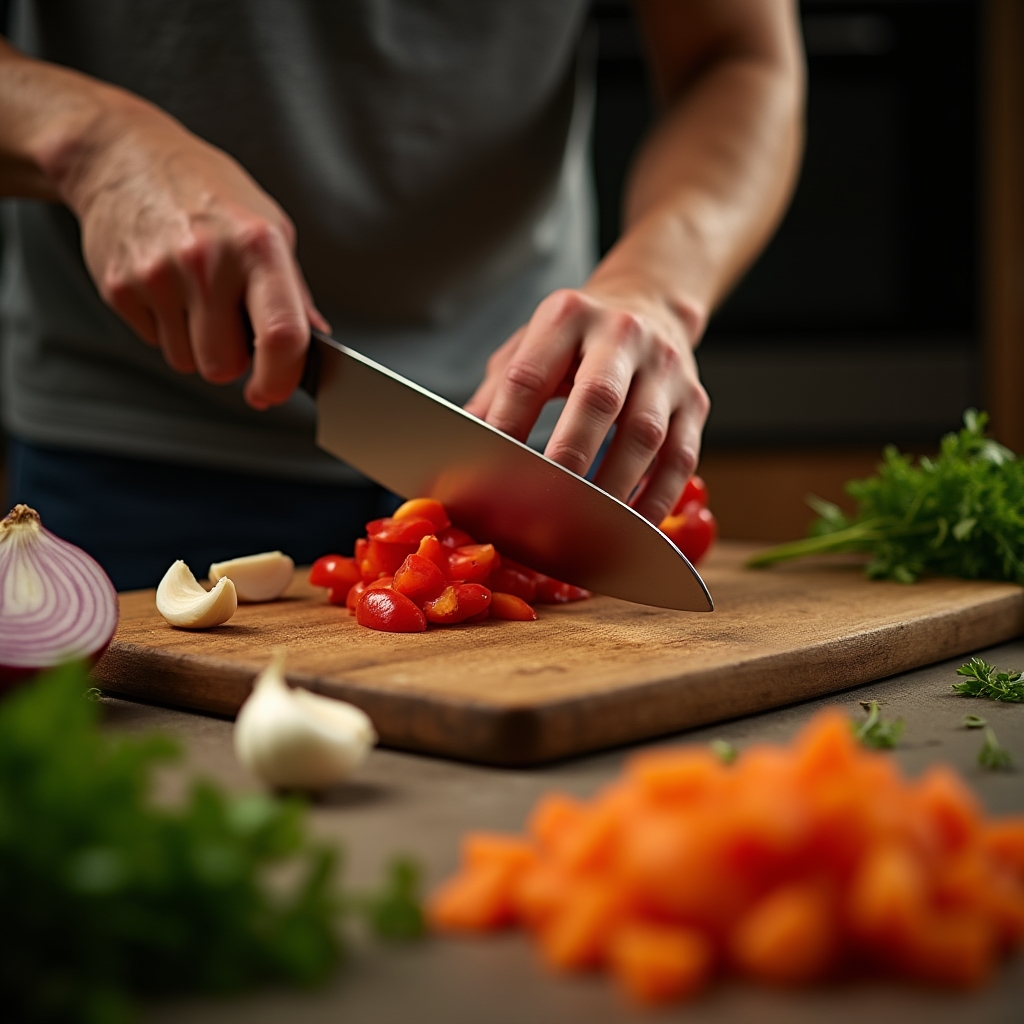
Garlic, onions, herbs, and a small set of pantry staples. These are what create meal variety from the same base proteins and grains, without requiring a different shopping list every week.
Support Structure
How coaching fits into the routine

During live sessions
Coaching sessions are timed to coincide with specific phases of the program. Early sessions focus on setup and planning. Later sessions work through the prep sequence in real time and address questions that have come up in your first solo attempts.
Between sessions
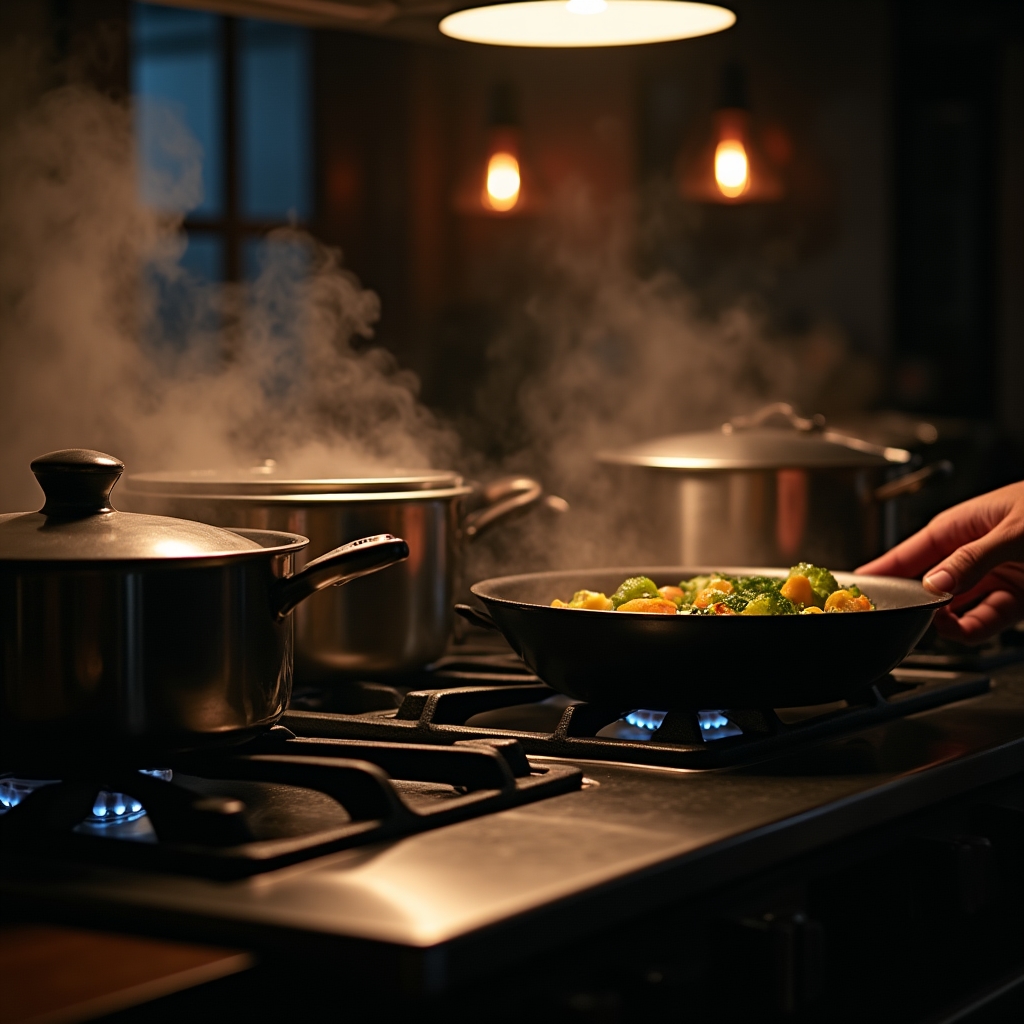
The most useful questions often come up mid-prep on a Sunday afternoon, not during a scheduled call. Between-session support means you can get a quick answer when the obstacle is actually happening, not a week later when you've already worked around it or given up.